
In the traditional linear economy, packaging serves a singular, fleeting purpose: to protect a product during transit and catch the eye on a retail shelf. Once the consumer extracts the contents, the packaging usually fulfills its “destiny” in a waste bin. However, the rise of conscious consumerism and the “Zero Waste” movement has birthed a new era for the tin packaging.
A high-quality tin container is not merely a box; it is a permanent material designed for a multi-stage lifecycle. Because of its inherent durability, aesthetic versatility, and airtight properties, a tin box does not “die” when the product inside is gone. Instead, it begins a series of “metamorphoses,” shifting its identity to solve organizational, aesthetic, and functional challenges in the modern home. This article explores the “Infinite Loop” of tin packaging and provides a blueprint for transforming these vessels into lasting lifestyle assets.
1. The Science of Permanence: Why Tin is the Ideal Reusable Vessel
Before exploring the creative transformations of a tin box, one must understand the physical properties that facilitate its longevity. Tinplate—typically a thin sheet of steel coated with tin—offers a unique combination of strength and safety.
Superior Barrier Protection
Tinplate is non-porous and provides an absolute barrier against light, oxygen, and moisture. This “triple protection” is why high-end brands use tin for tea, coffee, and confections. Even after the original product is consumed, these protective qualities remain intact, making the box ideal for preserving other sensitive items in the home.
Structural Integrity
Unlike paperboard, which softens over time, or plastic, which can become brittle and leach chemicals, tin maintains its structural rigidity. The “click” of a well-fitted lid remains consistent after years of use. This mechanical reliability allows the box to move through various environments—from the humid kitchen to the rugged travel kit—without failing.
The Sustainability Loop
Metal is a “permanent material.” It can be recycled infinitely without losing its quality. However, the most sustainable form of recycling is direct reuse. By extending the life of a tin box through secondary applications, we significantly reduce the carbon footprint associated with manufacturing new plastic or glass storage solutions.
2. Metamorphosis I: The Culinary Guardian (Kitchen & Pantry)
The kitchen is the most natural environment for a repurposed tin packaging. The airtight nature of high-quality tinplate makes it a superior alternative to plastic bags or open jars.
The Artisan Spice Rack
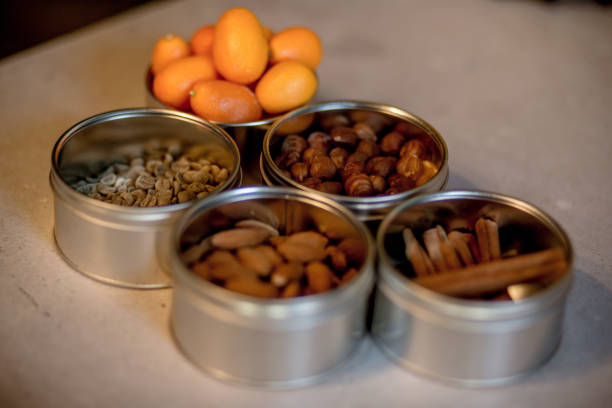
Mass-market spice jars often lack aesthetic cohesion. Small, square, or round tin boxes—originally containing mints or luxury chocolates—provide a uniform, stackable solution for spices. Because tin blocks UV light, it protects the delicate volatile oils in herbs and ground spices, ensuring they stay potent for longer periods than they would in clear glass jars.
Seed Storage for the Urban Gardener
For those who maintain a kitchen garden, moisture is the primary enemy of seed viability. A medium-sized tin packaging provides a dry, cool, and light-free environment for seed packets. By organizing seeds chronologically by planting season within a tin, gardeners create a durable “seed library” that withstands the variable conditions of a shed or utility room.
Loose-Leaf Tea Renaissance
Tea enthusiasts often purchase bulk refills to save on costs. A repurposed decorative tin becomes the perfect vessel for these refills. The internal coating of the tin is food-safe, preventing any metallic transfer and ensuring that the delicate floral notes of an Oolong or the robustness of an Assam remain uncompromised.
3. Metamorphosis II: The Workspace Architect (Office & Studio)
In an era of remote work and digital nomadism, physical clutter is a significant source of cognitive stress. Tin boxes provide an “Industrial Chic” solution to desk organization.
The Tech-Cable Hub
Cables, dongles, and USB drives are the bane of the modern workspace. A rectangular tin packaging (such as those used for biscuits or stationery sets) serves as a Faraday-esque shield for tech accessories. By labeling the exterior of the tin, you can hide the visual noise of black plastic cables inside a beautiful, metallic object that complements your desk’s aesthetic.
Stationery & Tool Kits
For artists and designers, tin boxes offer a nostalgic and practical way to house pens, charcoal sticks, or carving tools. The hard shell protects delicate pencil leads from breaking—a common issue with soft fabric pouches. Furthermore, the metallic surface of the tin provides a perfect canvas for magnets, allowing users to attach “To-Do” notes or inspiration images directly to their organization system.
4. Metamorphosis III: The Beauty & Wellness Sanctuary
The bathroom and vanity are often cluttered with small, delicate items that are easily lost or damaged. Tin boxes, with their moisture-resistant properties, provide a “sanctuary” for personal care items.
The Jewelry Vault
Precious metals and gemstones can oxidize when exposed to air and humidity. A small, velvet-lined tin packaging acts as a protective vault for rings, earrings, and watches. The sturdy lid ensures that if the box falls off a vanity, the contents remain secure and uncrushed.
The Solid Soap & Shampoo Carrier
As the beauty industry shifts toward “waterless” products like solid shampoo bars and soaps, the need for portable, rust-resistant storage has skyrocketed. A small round tin is the perfect travel companion for these bars. Unlike plastic travel cases, the tin is slim, durable, and can be easily dried, preventing the “mushy soap” phenomenon.
5. Metamorphosis IV: The EDC & Travel Companion
“Everyday Carry” (EDC) enthusiasts prize items that are lightweight, durable, and multifunctional. Tin boxes have become a staple in this subculture.
The Pocket First-Aid Kit
A small tin fits perfectly into a backpack or glove compartment. By stocking it with adhesive bandages, antiseptic wipes, and essential medications, you create a crush-proof first-aid kit that is far more resilient than a soft-sided pouch.
The “Survival” Multi-Tool Box
Outdoor enthusiasts often use tin boxes to create “emergency kits.” These might include waterproof matches, a small compass, fishing line, and a signal mirror (the underside of a polished tin lid can even serve as an emergency signaling device). The tin ensures these life-saving items stay dry and functional in the most extreme conditions.
6. The Aesthetics of Reuse: Why Design Matters
The reason people choose to reuse a tin packaging over a plastic container often comes down to emotional resonance and design quality.
The Tactile Experience
Luxury tin packaging utilizes advanced printing techniques such as 3D embossing, spot UV, and matte/gloss contrasts. These features turn a box into a tactile “objekt d’art.” People naturally hesitate to discard objects that feel substantial and beautiful.
Customization and Personalization
A plain tin packaging is a blank canvas. Many consumers enjoy customizing their tins with spray paint, decoupage, or vinyl stickers. This “DIY” potential transforms the packaging into a personalized gift or a home decor item that reflects the owner’s personality.
7. Maintenance: How to Ensure Your Tin Lasts a Lifetime
To maximize the “Infinite Loop,” users should follow a few simple maintenance steps:
-
Cleaning: Wash with warm, soapy water and dry immediately with a soft cloth. Never leave a tin to “air dry,” as moisture trapped in the seams can eventually lead to oxidation.
-
Rust Prevention: If you plan to use a tin in a high-moisture environment (like a bathroom), a light coating of food-grade mineral oil can provide an extra layer of protection.
-
Lid Integrity: If a lid becomes too loose or too tight, a gentle adjustment of the rim with soft-grip pliers can often restore the original friction-fit.
8. Conclusion: From Packaging to Legacy
When a brand chooses tin packaging, it is making a statement about its commitment to quality and the environment. It is providing the consumer with more than just a product; it is providing a durable asset.
The “Infinite Loop” of a tin packaging is a testament to the power of thoughtful design. By moving through the kitchen, the office, the vanity, and the great outdoors, a single tin can solve a dozen problems over several decades. This is the ultimate form of sustainability: creating objects that are too beautiful and too useful to be thrown away. In your hands, a tin box isn’t just waste—it’s a tool, a memory, and a permanent part of your lifestyle.