
As the festive lights twinkle across European high streets, a darker reality looms behind the celebratory cheer. Every year, the holiday season generates a staggering “mountain” of packaging waste—mountains of torn wrapping paper, non-recyclable plastic inserts, and single-use cardboard boxes that end up in landfills by Boxing Day. However, a significant shift in consumer consciousness is underway. Modern luxury is no longer defined by excess, but by responsibility.
The custom tin box has emerged as the definitive solution for brands and consumers seeking to align festive tradition with environmental ethics. Beyond its shimmering metallic finish, a high-quality tin box represents a “Green Christmas Manifesto.” It is a vessel designed not for the bin, but for a lifetime. This article explores how reusable tin packaging is redefining “Responsible Luxury,” offering a sophisticated alternative that replaces holiday waste with enduring style and circular sustainability.
1. The European Packaging Crisis: The Cost of a Single Use
In Europe, the environmental impact of the holiday season is under intense scrutiny. Statistics suggest that household waste increases by nearly 25% to 30% during the Christmas period. A primary culprit is “Single-Use Luxury”—packaging that looks expensive but is functionally disposable.
The “Recyclability” Illusion
Many high-end cardboard boxes feature plastic laminations, glitter, or metallic inks that render them unrecyclable. While they appear sophisticated, they contribute directly to the global plastic crisis. Consequently, European consumers—particularly in markets like Germany, France, and Scandinavia—are increasingly rejecting “disposable elegance” in favor of materials that belong to a circular economy.
Tin: The Infinite Material
Unlike plastic, which degrades in quality every time it is recycled, metal—specifically tinplate—is a permanently available material. It can be recycled infinitely without any loss of its physical properties. By choosing a tin box, a brand adopts a material that respects the earth’s limits while providing a premium tactile experience.
2. Redefining “Responsible Luxury”: The Aesthetic of Longevity
“Responsible Luxury” is the bridge between high-end aesthetics and environmental stewardship. It moves the focus from the moment of opening to the years of ownership.
The Heirloom Effect
A custom tin box possesses an inherent “Heirloom Quality.” Because of its structural rigidity and resistance to wear, it transcends the category of “packaging” and enters the category of “furniture” or “collectible.” Whether it is a beautifully embossed biscuit tin or a sleek, minimalist watch container, the recipient instinctively understands that this object is too valuable to discard. This psychological “weight” is the most effective deterrent against waste.
Precision Craftsmanship
Luxury is found in the details: the smooth “snap” of a well-fitted lid, the depth of a multi-level emboss, and the vibrant clarity of food-safe offset printing. When these elements are applied to a tin box, the result is a sensory manifesto. The cold, solid touch of the metal communicates a sense of permanence that cardboard simply cannot replicate.
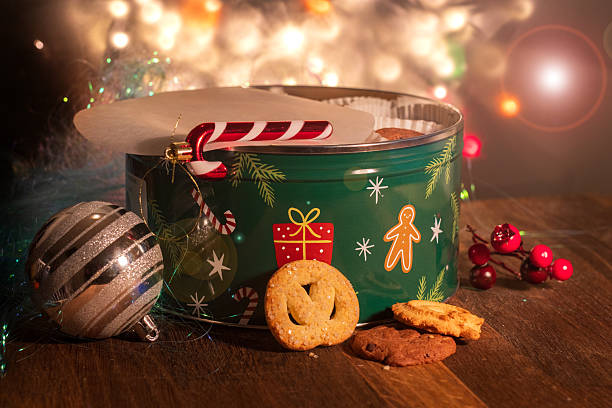
3. The Micro-Climate of Protection: Functional Sustainability
Sustainability isn’t just about the material; it is also about protecting the product inside to prevent waste.
Preserving the Contents
Tin boxes provide an airtight, light-proof, and moisture-resistant barrier. For luxury food items, premium teas, or delicate electronics, this protection is vital. By extending the shelf life and maintaining the integrity of the product, tin packaging reduces “indirect waste”—the loss of the product itself due to poor storage.
The Durability of the “Circular” Loop
A tin box protects its contents during the harsh logistics of holiday shipping. Cardboard boxes often arrive dented or crushed, leading to returns and additional carbon footprints. In contrast, the high tensile strength of a custom tin ensures that the product arrives in pristine condition, ready to be showcased.
4. The Transition from Packaging to Lifestyle Object
The most sustainable product is the one that never enters the waste stream. The genius of the custom tin box lies in its second-life potential.
The Ultimate Multi-Tasker
A Christmas tin box rarely ends its journey on December 25th. Its durability invites a second life:
-
The Keepsake Chest: Storing family photographs, holiday ornaments, or letters.
-
The Kitchen Essential: Acts as a stylish, airtight container for spices, coffee, or sweets.
-
The Desk Organizer: Bringing a touch of “Responsible Luxury” to a home office.
Brand Loyalty Through Utility
From a marketing perspective, this reusability creates a “Permanent Billboard.” While a paper bag is thrown away, a branded tin box sits on a customer’s shelf for years. Every time the customer reuses the tin, they are reminded of the brand’s commitment to quality and the environment. This creates a deep, emotional connection that transcends a single transaction.
5. Designing the Manifesto: Elements of a Modern Festive Tin
To serve as a “Green Christmas Manifesto,” the design must be timeless rather than trendy.
-
Tactile Textures: Utilize 3D laser embossing to create textures that feel as good as they look. When a surface mimics the feel of fine linen or intricate frost, it increases the perceived value of the container.
-
Sophisticated Finishes: Move beyond simple gloss. Matte finishes, “crackle” varnishes, or selective metallic effects create a nuanced visual language that appeals to the sophisticated European palate.
-
Modular Inserts: Replace plastic vacuum-trays with sustainable pulp inserts or recycled card dividers. This ensures the entire packaging solution—not just the outer shell—is eco-responsible.

6. Strategic Advantages for Brands in the European Market
European regulations, such as the Packaging and Packaging Waste Regulation (PPWR), are becoming stricter. Brands that adopt reusable tin packaging now are not just being “green”—they are being strategically brilliant.
Compliance as a Competitive Edge
As taxes on single-use plastics and non-recyclable materials rise, the economic argument for durable tin increases. Furthermore, many high-end retailers in London, Paris, and Milan are prioritizing brands that offer “Packaging-free” or “Circular Packaging” solutions. A custom tin box fulfills both requirements: it is the packaging and the product.
The “Eco-Prestige” Narrative
Modern luxury consumers are increasingly “Eco-Conscious.” They feel “Green Guilt” when faced with a pile of holiday trash. By providing a beautiful tin box, a brand removes this guilt and replaces it with the pride of owning a sustainable object. This shift in sentiment is a powerful driver for holiday sales and brand advocacy.
7. Conclusion: The Future is Metallic and Permanent
The “Green Christmas Manifesto” is a call to return to quality. It is a rejection of the “disposable culture” that has dominated the last few decades. By choosing a custom tin box, we choose a future where our festive traditions do not come at the expense of the planet.
A reusable tin box is the ultimate expression of Responsible Luxury. It manages to be both a protective shield for a gift and a stylish contribution to a home’s interior. This holiday season, let us move away from the mountain of waste and toward the permanence of metal. A tin box is not just a container; it is a promise that luxury and sustainability can—and should—coexist beautifully.