
In the modern consumer landscape, the concept of “disposable” is rapidly losing its appeal. As global awareness regarding sustainability matures, the focus has shifted from mere recycling to the more profound philosophy of “Refill, Not Replace.” Nowhere is this transition more visible than in the world of specialized food packaging. Specifically, empty tin containers crafted from food-grade tin-plated steel are shedding their identity as temporary shells.
By leveraging the inherent durability, chemical stability, and aesthetic potential of tin-plated steel, these objects are evolving. They are no longer simple shipping units, but emotional vessels users keep, clean, and reuse long term. This article examines the materials and design logic that turn tins into sustainable consumer legacies.
1. The Material Foundation: Why Tinplated Steel is the Guardian of Freshness
The journey of an empty tin container begins with its core material: tin-plated steel. This composite material combines the structural strength of steel with the corrosion resistance and non-toxic properties of tin.
Chemical Stability for Food Safety
Food-grade tinplate is uniquely suited for contact with sensitive consumables such as tea, coffee, and high-end confectionery. The tin coating acts as a passive barrier, preventing oxidation and ensuring that the contents do not react with the metal.
-
Light and Air Protection: Unlike glass or plastic, tin provides a 100% barrier against UV light and oxygen. This protection preserves the essential oils and volatile aromas of the product, ensuring that the first “opening ceremony” is as fragrant as the day it was packed.
-
Non-Toxic Longevity: Because tin is a stable element, it does not leach harmful chemicals into the food, making it the safest choice for long-term “Refill” cycles.

2. Beyond Single-Use: The “Refill, Not Replace” Philosophy
The environmental crisis is largely driven by “Linear Consumption”—taking, making, and wasting. Empty tin containers offer a “Circular” alternative. When a brand provides a high-quality tin, they aren’t just selling a product; they are providing the consumer with a permanent piece of kitchen or home infrastructure.
The Durability of the Vessel
Plastic degrades, and glass shatters. However, tinplated steel possesses a “toughness” that survives domestic life. It can withstand drops, temperature shifts, and frequent handling. Consequently, when the original contents are finished, the container remains structurally perfect.
-
Easy-to-Clean Interior: By designing the internal seams to be smooth and rounded, manufacturers ensure that the tin is easy to wash and sanitise. This design encourages users to refill the tin with bulk-purchased goods, significantly reducing the amount of plastic waste generated by secondary purchases.
-
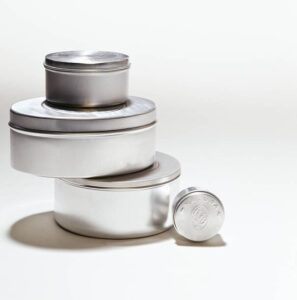
Stackable Logic: Modern tin designs often incorporate nesting or stacking features, allowing the user to create a “pantry library” of beautiful, matching containers that grow with their collection.
3. The Structural Design: Engineering the “Emotional Click”
For a container to become an “Emotional Vessel,” it must provide a superior tactile experience. The way a tin opens and closes defines its perceived value.
Precision Fit and Airtight Seals
The “Progressive Opening” of a high-end tin is a result of precision engineering. Whether it is a “slip lid” or a “hinged lid,” the friction must be perfectly calibrated.
-
The Tactile Feedback: A well-made tin produces a satisfying “click” or a gentle pneumatic hiss when closed. This sensory feedback reassures the user that their precious contents—be it heirloom seeds, vintage buttons, or premium loose-leaf tea—are safe.
-
Ergonomic Openings: By adding recessed grips or rolled-edge lids, designers ensure that the tin is easy to open for all ages. This user-centric design removes the “friction” of daily use, making the act of refilling a pleasure rather than a chore.
4. The Aesthetic Narrative: From Brand Identity to Personal Story
The most powerful reason a consumer keeps an empty tin container is its beauty. Unlike paper or plastic labels that peel and fade, metal lithography allows for vibrant, permanent art.
Surface Finishing as Art
Advanced printing techniques such as 3D embossing, spot UV, and metallic varnishes transform an industrial can into a piece of decor.
-
The “Patina” of Memory: Over time, a tin may develop small scratches or a slight dulling of the shine. In the world of “Emotional Containers,” this is not a defect; it is a patina of use. It represents years of morning tea rituals or decades of storing family recipes.
-
Universal Utility: Once the original brand identity has served its purpose, the “blank canvas” of the tin’s shape allows it to adapt. A tea tin becomes a pen holder; a biscuit tin becomes a treasure box for old photographs. The brand’s presence remains in the household for years, achieving a “shelf-life” that no digital ad could ever match.
5. Sustainability: The Infinite Recyclability of Tinplate
Even when the “life of the container” finally ends after decades of use, the empty tin containers still contribute to a greener planet. Tinplate is the most recycled packaging material in the world.
-
Magnetic Separation: Because of its steel core, tinplate is easily separated from other waste using magnets. This makes the recycling process incredibly efficient and energy-saving.
-
Infinite Life: Metal can be melted down and repurposed an infinite number of times without any loss in quality. This “Eternal Loop” ensures that the carbon footprint of the original production is amortised over centuries of continuous reuse and recycling.
6. Conclusion: Cultivating a Legacy of Care
The transition from “packaging” to “vessel” represents a fundamental shift in how we value objects. Empty tin containers are no longer disposable waste; they are the anchors of a sustainable lifestyle. By prioritising durability, ease of cleaning, and timeless aesthetics, we empower the consumer to move away from the culture of “toss-away” and toward a culture of “keep and care.”
When a consumer holds a perfectly weighted, beautifully embossed tin, they aren’t just holding a box. They are holding a durable, chemical-stable, and infinitely recyclable promise—a promise that quality matters and that some things are worth keeping forever. In the “Eternal Cycle” of the tin, the end of the product is only the beginning of the container’s story.