
The global packaging landscape is shifting rapidly. For years, brands focused entirely on recyclability. However, consumers now demand a more direct form of sustainability. The latest reports show a massive surge in circular packaging. People want items they can keep, not just toss in a blue bin. This shift transforms simple containers, like gummy tins, into long-term household assets. Let’s explore why “reusable” is the new golden standard for modern brands.
1. The 2026 Shift: Beyond the Recycling Bin
Recent data reveals a clear psychological change in shoppers. Many consumers feel “recycled” claims are no longer enough. They often doubt whether plastic actually gets recycled. Consequently, they look for products designed for permanent use.
Circular packaging meets this demand by eliminating waste. Brands are moving away from thin, disposable films. Instead, they choose sturdy materials that survive multiple lifecycles. Therefore, a package is no longer a temporary shell. It becomes a valuable part of the product itself. This trend defines the most successful product launches this year.
2. Regulation Power: The EU Leading the Way
Governments are also forcing this change through strict laws. The European Union has updated its packaging directives. These rules now actively encourage reusable design over one-way plastic.
Companies must prove their packaging can be reused several times. Furthermore, many regions are introducing taxes on single-use items. This makes durable options, such as gummy tins, more cost-effective. Compliance is no longer optional for global brands. Therefore, switching to reusable metal is a smart legal strategy. It future-proofs your business against evolving environmental regulations.
 3. The Natural Advantage of the Metal Tin
Tinplate has a secret weapon in the sustainability war. It is naturally strong, beautiful, and incredibly durable. Unlike cardboard, it does not degrade after one opening.
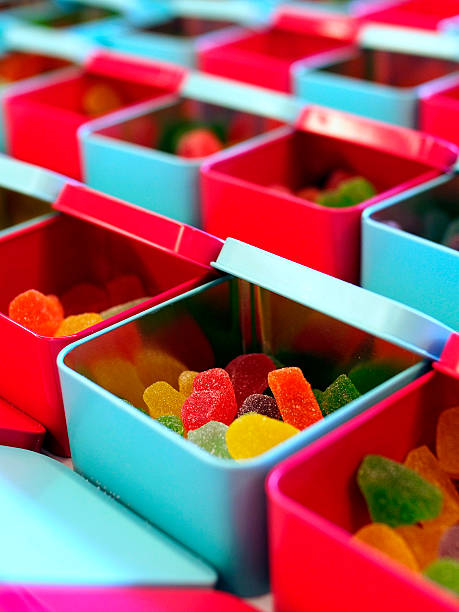
Metal is born for reuse. For example, high-quality gummy tins protect products perfectly during their first life. Afterward, their structural integrity remains perfectly intact. They protect against light, air, and physical impact. Consequently, they are the ideal medium for a circular economy. They offer a premium feel that plastic simply cannot match. Metal represents a permanent solution in a world of disposables.
4. Designing for the “Second Life” Scenario
Leading brands now plan for the “afterlife” of their packaging. They don’t just ask, “How will this look on a shelf?” Instead, they ask, “How will this look on a desk later?“
Imagine gummy tins that turn into chic office organizers. Or decorative metal boxes used for storing jewelry or spices. When you include a secondary use, you increase brand loyalty. Every time the customer uses the tin, they see your logo. This provides free, long-term marketing in the customer’s home. Therefore, great design should focus on aesthetics and utility. Your packaging should be too beautiful to throw away.
Conclusion: Use It, Keep It, Don’t Toss It
The future of packaging is clear and extremely solid. Buyers are bored with “disposable” culture and empty eco-promises. They want quality that lasts and reduces their personal footprint.
Transitioning to reusable gummy tins positions your brand as a leader. It shows you care about the planet and the user. Invest in packaging that stays in the home for years. This creates a lasting bond with your modern, conscious audience. Make your packaging something to keep, not something to kill. The “reusable” revolution is here, and it is made of metal.