
In the age of digital photography, we capture the world through lenses, yet the most profound memories of travel are often those that cannot be photographed: the heady, musky scent of a spice market in Marrakech, the delicate aroma of roasted hojicha in a Kyoto backstreet, or the sweet, buttery air of an Italian confectionery. These are the “souvenirs of the senses.”
However, the challenge has always been how to carry these ephemeral treasures home. Unlike fragile glass that shatters in a suitcase or porous paper that lets scents escape, the screw lid tin jar has emerged as the ultimate vessel for the modern explorer. It is more than a container; it is a “flavor passport”—a rugged, lightweight, and airtight companion that seals the soul of a place within its metallic walls. This article explores the intersection of travel, culture, and the art of preservation, and why the humble tin jar is the silent narrator of our global journeys.
1. The Nomadic Vessel: Why Tin is the Explorer’s First Choice
Travel is a movement exercise, and movement demands durability. When navigating the crowded stalls of an Istanbul bazaar or the rugged paths of a Himalayan village, the tools of an explorer must be resilient.
The Antithesis of Fragility
Glass is beautiful but treacherous in a traveler’s backpack. A single drop can ruin a week’s worth of collected spices or stain a wardrobe with oils. Screw lid tin jars offer the “Steel Will” required for the road. They are impact-resistant, ensuring that the precious contents—whether delicate saffron threads or coarse sea salts—arrive at their destination intact.
The Lightweight Advantage
In today’s strict airline baggage era, every gram matters. Tinplate weighs far less than ceramic or glass alternatives. Thus, travelers carry a “mobile pantry” of global flavors easily. This portability turns the tin jar into a “flavor vault.” It fits neatly into a coat pocket or side pouch.
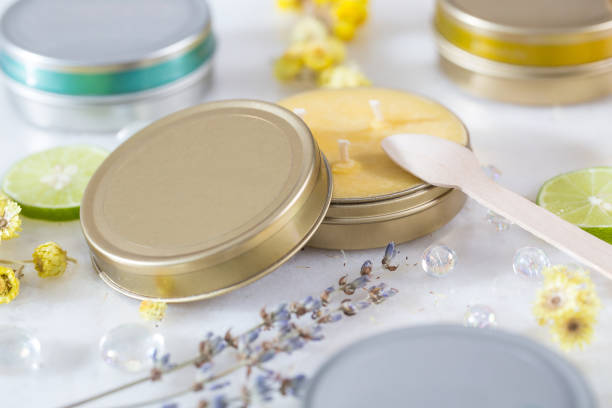
2. The Science of the Seal: Why “Screw Lids” are Non-Negotiable
The primary enemy of flavor is the environment. Oxygen, moisture, and light are the “thieves” that steal the potency of tea leaves and the pungency of spices.
The Airtight Covenant
A standard slip-cover tin is sufficient for a desk, but for the vibration and pressure changes of travel, the screw lid tin jar is essential. The threaded closure creates a mechanical seal that locks in volatile aromatic compounds.
-
The Spice Test: In the humidity of Southeast Asia, a screw-top tin prevents salt and sugar-based confections from clumping.
-
The Tea Test: It ensures that high-grade Matcha from Uji remains vibrant and green, shielding it from the oxidative effects of the air.
Light Shielding
Unlike clear plastic or glass, tin provides a 100% opaque barrier. Many of the world’s most precious flavors—such as vanilla beans or dried flower teas—are photosensitive. The metallic walls act as a “darkroom,” preserving the chemical integrity of the contents until the moment the lid is turned.
3. The “Passport” Aesthetic: A Container Full of Stories
Beyond its functional utility, a tin jar possesses a unique narrative quality. Each dent and scratch on its surface becomes a “postal stamp” of a journey.
-
The Tactile Memory: There is a specific, satisfying “click” and “glide” when opening a well-made screw lid tin. This tactile interaction becomes a ritual—a sensory bridge that transports the traveler back to the moment of purchase.
-
The Scent Archive: When you return home and open a tin filled with Moroccan cumin, the sudden release of scent is a “narrative explosion.” It awakens the subconscious, bringing back the heat of the sun, the noise of the crowd, and the color of the stalls.
-
A Canvas for Culture: Tin jars are easily customizable. Whether through embossing, silk-screen printing, or simple travel stickers, they become physical journals of a person’s life. A collection of tins on a kitchen shelf isn’t just a spice rack; it’s a map of a life well-traveled.
4. From Kitchen to World: Versatile Applications for the Modern Artisan
The use of screw lid tin jars extends beyond the traveler to the boutique producers who supply them.
-
Handmade Confectionery: For the small-town Italian pasticceria, a tin jar ensures their delicate amaretto cookies don’t turn to crumbs during the long flight to a customer in New York.
-
Specialty Spices: In the spice markets of India, metal tins allow for “Refill Culture,” where tourists can buy bulk spices and seal them instantly for safe transport.
-
Apothecary & Skincare: Beyond food, these jars are perfect for solid perfumes, balms, and salves gathered from traditional healers around the globe, protecting the essential oils from rancidity.
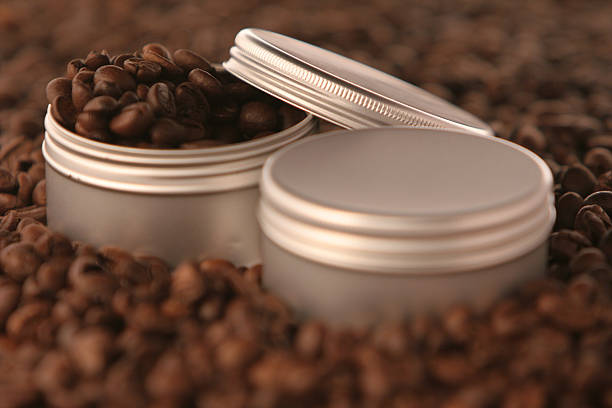
5. Sustainability: The Permanent Souvenir
In a world drowning in single-use plastic, the tin jar stands as a beacon of “Permanent Consumption.”
-
-
The Infinite Cycle: Tin is one of the most recycled materials on earth. However, its true environmental value in the travel context is its “reusability.” A tin that once held Turkish Delight can later hold paper clips, coins from a different country, or a new batch of tea.
-
The “Anti-Disposable” Philosophy: By choosing a high-quality tin container, the consumer is making a statement against the “throwaway” culture of tourism. It is a souvenir that lasts a lifetime, growing more beautiful with age and patina.
-
6. Conclusion: The World in a Jar
The journey from the Istanbul bazaar to the Kyoto tea shop is a long one, but the distance is bridged by the objects we choose to carry with us. The screw lid tin jar is the unsung hero of this exploration. It is a humble, rugged, and elegant guardian of the world’s most delicate treasures.
When you invest in a quality tin jar, you aren’t just buying packaging; you are buying a “story-keeper.” You are ensuring that the next time you find a flavor that moves you—a spice that tastes like history or a tea that smells like peace—you have the means to bring it home, safe and sound. Every turn of the lid is an invitation to travel again.