
In the modern consumer landscape, packaging typically follows a linear “cradle-to-grave” trajectory: it protects the product, delivers the brand message, and is then discarded. However, a silent revolution exists in the form of the tin container. Unlike paper or plastic, which lose their structural integrity almost immediately, the tin box is perhaps the first packaging format designed with the “empty” state in mind.
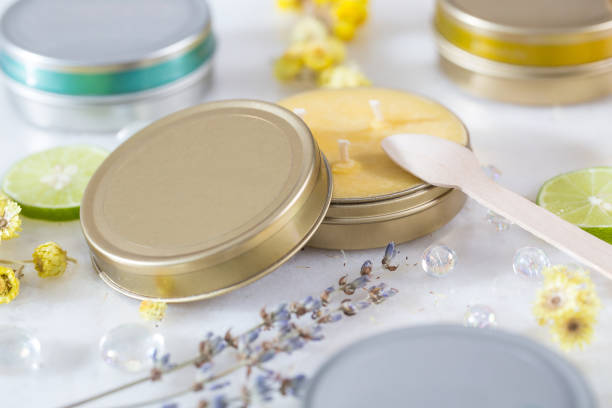
Specifically, pocket-sized scent tins—originally intended to house solid perfumes, balms, or mints—possess a unique architectural permanence. Because they are rugged, airtight, and aesthetically pleasing, users rarely throw them away. Instead, these containers transition into a “second life,” becoming heirloom-quality organizers for jewelry, pills, or travel essentials. This article explores how strategic design transforms a simple metal vessel into a sustainable “Scene Asset,” building an emotional connection that lasts long after the original product is gone.
1. The Philosophy of “Design for Emptiness.”
When we speak of “Design for Emptiness,” we refer to the intentional engineering of a package so that its value remains intact once the contents are depleted. In the context of pocket-sized scent tins, the material—tinplate—is the hero.
The Durability Factor
Tinplate is an alloy that combines the strength of steel with the corrosion resistance of tin. Unlike glass, which shatters, or plastic, which cracks and yellows, tin ages with a distinguished “patina.” This physical resilience sends a subconscious signal to the consumer: This is too good to throw away. By creating a container that survives being dropped, sat on in a pocket, or tossed into a handbag, brands create a permanent physical touchpoint in the user’s life.
The Sensory Click
The mechanical feedback of a tin—the friction-fit slide or the crisp “snap” of a hinged lid—provides a tactile satisfaction that digital-age consumers crave. This “Sensory Hook” ensures that the user continues to reach for the tin even when it no longer holds its original scent.
2. Engineering the “Second Life”: Versatility by Design
A tin’s transition from a perfume vessel to a functional organizer is not accidental; it is the result of precise dimensions and classic styling.
The “Universal Fit” Geometry
Most pocket-sized scent tins follow a “Golden Ratio” of portability. They are large enough to be useful but small enough to be discreet.
-
As a Jewelry Box: The felt-lined interior of a premium scent tin protects delicate rings and earrings during gym sessions or travel.
-
As a “Pocket Pharmacy”: The airtight seal makes it an ideal moisture-proof barrier for daily supplements or emergency medication.
-
As a Travel Companion: For the minimalist traveler, a repurposed tin holds SIM cards, sewing kits, or even a tiny emergency candle.
Airtight Integrity
The “rolled-edge” construction of high-quality tins ensures a seamless fit. For products like solid colognes or loose-leaf teas, this seal preserves volatile oils. Once empty, that same seal keeps EDC (Everyday Carry) items dry and secure, proving that the engineering of the tin is its greatest sustainable asset.
3. The Aesthetic Anchor: Transforming Utility into Art
For a user to keep a piece of packaging on their desk or bedside table, it must provide “Visual Value.” Pocket-sized scent tins leverage advanced printing techniques to become miniature works of art.
-
CMYK and Pantone Precision: Brands can utilize high-definition offset printing to create intricate patterns that mimic the look of vintage apothecary jars or modern minimalist art.
-
Embossing and Debossing: By adding 3D texture to the lid, the tin becomes a “fidget-friendly” object. The tactile pleasure of running a thumb over an embossed logo reinforces the brand’s presence every time the user reaches for their repurposed kit.
-
Metallic Finishes: Utilizing the natural luster of the metal through transparent inks creates a “glow” that plastic simply cannot replicate. This “Jewelry-Grade” finish elevates the tin from a container to a collectible.
4. The Sustainability Paradox: Recyclable vs. Reusable
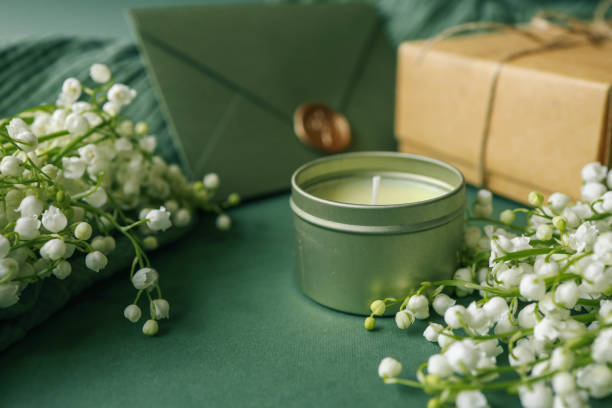
While “recyclability” is a common buzzword, “reusability” is far more environmentally impactful. Recycling requires energy to break down and reform a material. Reusing a tin requires zero additional energy.
The Circular Economy in Your Pocket
Pocket-sized scent tins represent the ultimate “Closed-Loop” packaging. Even if a tin eventually reaches the end of its multi-year “second life,” metal is 100% infinitely recyclable without loss of quality. However, by designing for reuse first, brands extend the carbon-capture period of the material. This “Slow Consumption” model stands in direct opposition to the fast-waste culture of the modern era, positioning the brand as a leader in genuine environmental stewardship.
5. Building Emotional Longevity: The “Heirloom” Effect
There is an emotional weight to a metal box that paper cannot match. We often find old tins in our grandparents’ attics, still holding buttons, old coins, or letters.
The Brand as a Companion
When a consumer uses your pocket-sized scent tins to store their most personal items—a wedding ring during a workout or a child’s first lost tooth—the brand becomes part of their life story. This is the highest form of marketing: transitioning from a “vendor” to a “witness” to the user’s daily rituals. This emotional bond ensures that when the user needs to purchase a refill or a new product, they will instinctively return to the brand that provided them with their favorite little box.
6. Conclusion: The Masterpiece of “Empty” Design
The true success of pocket-sized scent tins lies in their ability to survive the product they were made for. By focusing on the structural “Second Life” during the initial design phase, brands can move beyond the “one-and-done” consumption model.
Through the combination of aerospace-grade durability, airtight precision, and gallery-level aesthetics, the tin box becomes a permanent resident in the consumer’s pocket and heart. It is a masterpiece of sustainable engineering that proves the best way to save the planet is to make something too beautiful and too useful to ever throw away. In the world of packaging, the “empty” tin is where the real story begins.