
Packaging often feels like a disposable necessity in modern consumerism. It protects products temporarily from the factory to checkout, then gets discarded. This disposable mindset has fueled global waste and consumer desensitization. However, the shift toward “Conscious Containment” changes this narrative. Recyclable tin jars lie at the heart of this sustainable movement.
For premium products, the tin serves as more than just a wrapper. It becomes an enduring vessel for coffee, tea, or luxury confections. We believe a well-designed tin’s life begins after the contents are gone. Its second journey creates meaning and supports a sustainable aesthetic. Thus, choosing metal packaging represents a vote for responsibility and style.
1. Beyond the “Disposable Destiny”: The Tin as a Permanent Guest
The primary failure of plastic and cardboard packaging is their inherent frailty. They are born to be trash. Tin, by contrast, is born from a legacy of durability. When a consumer finishes a bag of coffee packed in plastic, the impulse is to throw it away. When they finish a screw-top tin of high-altitude tea, the impulse is to keep it.
The Psychological Shift from Consumer to Collector
A well-crafted tin jar possesses a “tactile weight” and a structural integrity that triggers a different psychological response.
-
The Sensory Appeal: The cool touch of the metal, the satisfying “click” or “hiss” of a precision-threaded screw lid, and the vibrant, high-fidelity printing allow the packaging to transcend its commercial origins.
-
A Statement of Quality: Brands that choose recyclable tin jars are communicating a message of permanence. They are telling the consumer: “The contents were precious, and the vessel is a gift.”
2. The Versatile “Second Life”: A Canvas for Daily Creativity
When the original contents are exhausted, the tin jar undergoes a metamorphosis. Because high-quality tinplate is food-grade, airtight, and light-proof, it is the ultimate “blank slate” for domestic organization.
In the Kitchen: The Spice Sanctuary
Standard grocery spice jars often appear mismatched and disorganized. Moreover, they fail to protect herbs from light degradation. By contrast, a uniform set of reclaimed tins creates order. These tins form a light-proof “spice library” for long-term storage. Consequently, saffron, smoked paprika, and dried chilies stay potent longer.
On the Desk: The Architect of Order
A sturdy, screw-cap tin is the perfect weight to serve as a desktop organizer. Whether housing fountain pen nibs, paperclips, or USB drives, the tin brings a clean, industrial aesthetic to a workspace. It transforms a cluttered desk into a curated station.
The Creative Workshop: A Home for the Smallest Essentials
For the hobbyist—the tailor, the watchmaker, or the electronics tinkerer—tin jars are indispensable. Their screw-down lids ensure that tiny screws, needles, or resistors never spill, even if the jar is knocked over. The metal body also allows for easy labeling or magnetic mounting.
The Green Corner: Mini Planters for Succulents
With a simple drainage hole drilled into the base, a decorative tin becomes a unique, vintage-style planter for a desk-side succulent. The contrast between the industrial metal and the organic green creates a sophisticated interior design accent.
3. The Sustainable Vote: Opposing the “Over-Consumption” Tide
Choosing recyclable tin jars is more than a design preference; it is a tactical strike against the “throwaway culture.”
-
100% Recyclable, Infinitely: Metal is one of the few materials that can be recycled indefinitely without losing its physical properties. However, the most “green” form of recycling is repurposing. By creating a jar that people refuse to throw away, a brand effectively removes that piece of packaging from the waste stream for years, perhaps decades.
-
Material Integrity: Unlike bioplastics that require industrial composting facilities or glass that can shatter, tin is rugged. It survives drops, moves, and years of use, making it the most “honest” sustainable material available today.
4. Engineering the Eternal Jar: Features That Encourage Reuse
Not all tins are destined for a second life. The “eternal value” of a tin depends on specific engineering choices during the customization process.
-
Airtight Screw-Top Closures: The screw-top is superior to the “slip-on” lid for long-term reuse. It provides a secure, moisture-proof seal that makes the jar suitable for storing anything from dry tea to sensitive electronic components.
-
Premium Coating & Print: Using high-grade UV-resistant inks and protective varnishes ensures the design doesn’t flake or fade. A tin that looks as good five years later as it did on day one is far more likely to remain on a consumer’s shelf.
-
Food-Grade Linings: An internal BPA-free, food-grade gold or clear lacquer ensures the jar can be safely used for food storage (like homemade cookies or bulk-bought nuts) throughout its second life.
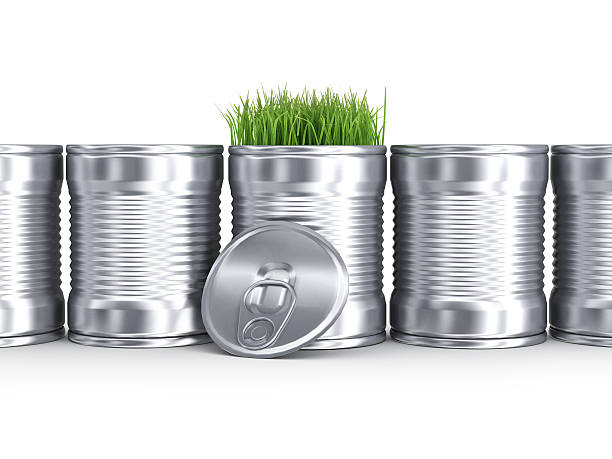
5. The Brand Legacy: A Silent Ambassador in the Home
For a business, the “second life” of a tin jar is the ultimate marketing ROI. When a customer repurposes a coffee tin to hold their pens on a communal office desk, that brand’s logo and aesthetic become a permanent fixture in a new environment.
-
The Gifting Effect: Products in high-quality tins are frequently kept as gifts. The recipient doesn’t just receive the tea; they receive a beautiful container they will use for years.
-
A Story-Filled Aesthetic: A scratched or slightly dented tin on a shelf tells a story of use and utility. It represents a brand that values substance over flash and longevity over a quick sale.
6. Conclusion: Choosing the Eternal Over the Ethereal
The true value of a tin jar is not found in its cost of production, but in the hours of utility it provides after the original purchase is forgotten. By embracing recyclable tin jars, we invite consumers to move away from being “discarders” and toward being “curators.”
A well-designed tin is a bridge between the commercial and the personal. It starts as a protector of a product and matures into a keeper of memories, a tool for organization, and a quiet champion of the planet. When we choose packaging that is too good to throw away, we aren’t just buying a product—we are investing in a sustainable, beautiful, and enduring way of life.